

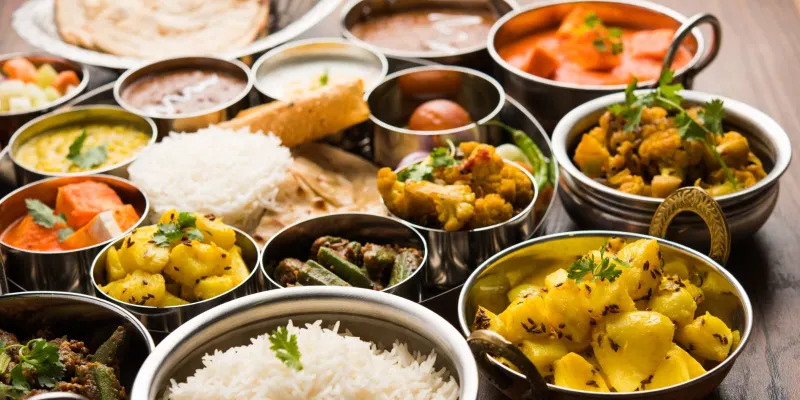
Planning an Indian wedding catering menu for hundreds of guests is not something you figure out overnight. There are flavours to balance, dietary needs to consider, and a whole lot of family opinions to navigate. We have been through this process with many clients, and honestly, the details matter more than most people expect.
Here is a straightforward guide to help you get it right.
Start With the Guest Count and Dietary Breakdown
Before anything else, know your numbers. A large Indian wedding event with 300+ guests needs a completely different approach than an intimate celebration of 80.
Ask yourself:
• How many guests are vegetarian or vegan?
• Are there guests with gluten or dairy restrictions?
• Will children be attending? They often need milder options.
• Are any guests expecting Jain-friendly dishes?
Once you have this data, your catering team can build a menu that actually works for everyone, not just the majority.
Build a Menu Around Course Flow, Not Just Dishes
A common mistake? Throwing together a long list of dishes without thinking about how the meal actually unfolds. A well-structured Indian wedding menu moves through courses with intention.
Appetisers and Starters
Begin with lighter, crowd-pleasing bites. Think samosas, paneer tikka, seekh kebabs, or chaat stations. These keep guests happy during cocktail hour and set the tone for what is coming.
Main Course Selections
This is where your menu needs real depth. A balanced main course for a large event typically includes:
• Two to three vegetarian curries (like dal makhani, shahi paneer, or aloo gobi)
• One or two non-vegetarian mains (butter chicken, lamb rogan josh, or fish curry)
• Biryani as a centrepiece dish, either vegetable or meat-based
• Breads: naan, roti, or paratha served fresh
• Rice options alongside the biryani
Live Stations Work Brilliantly
For large events, live food stations add energy and reduce long queues. A live chaat station, a tandoor bread station, or even a biryani carving station creates an experience, not just a meal. Guests remember it.
Presentation and Service Style
Buffet or plated? For most large Indian weddings, a well-organised buffet is both practical and visually impressive. Wide serving tables, clearly labelled dishes (especially for allergens), and trained serving staff make the entire setup run smoothly.
A few tips that genuinely help:
• Use chafing dishes with proper fuel to keep food at the right temperature
• Avoid stacking too many dishes in one section; spread them across stations
• Always have a dedicated dessert table with gulab jamun, kheer, rasmalai, and mithai assortments
Drinks and Accompaniments
Indian weddings often overlook the beverage menu. Do not make that mistake. Include:
• Mango lassi and rose sharbat as traditional options
• Mocktails and soft drinks
• Masala chai station for after dinner
Chutneys, raitas, and pickle accompaniments should always be freshly prepared and available throughout the meal.
Work With a Catering Team That Understands the Cuisine
This is probably the single most important decision you will make. At Aldergrove Indian Bistro, the team brings deep experience in preparing authentic Indian cuisine for large-scale events. From custom menu planning to full event catering, every dish is prepared with quality ingredients and regional expertise. Whether you need a North Indian spread or want to incorporate South Indian elements, the menu is built around your vision.
Conclusion: A Memorable Meal Starts With a Thoughtful Plan
A great Indian wedding catering menu is not about having the most dishes. It is about having the right dishes, served well, to people who feel considered.
Plan your courses thoughtfully, account for every guest's needs, invest in fresh ingredients, and partner with a team that genuinely understands Indian wedding catering at scale. Do that, and the food will be one of the highlights of the entire event.


